
How to Choose Snus Paper Width for Pouch Machines
Learn how pouch width, slit roll width, GSM, roll length and machine structure affect snus paper and pouch nonwoven sample selection.
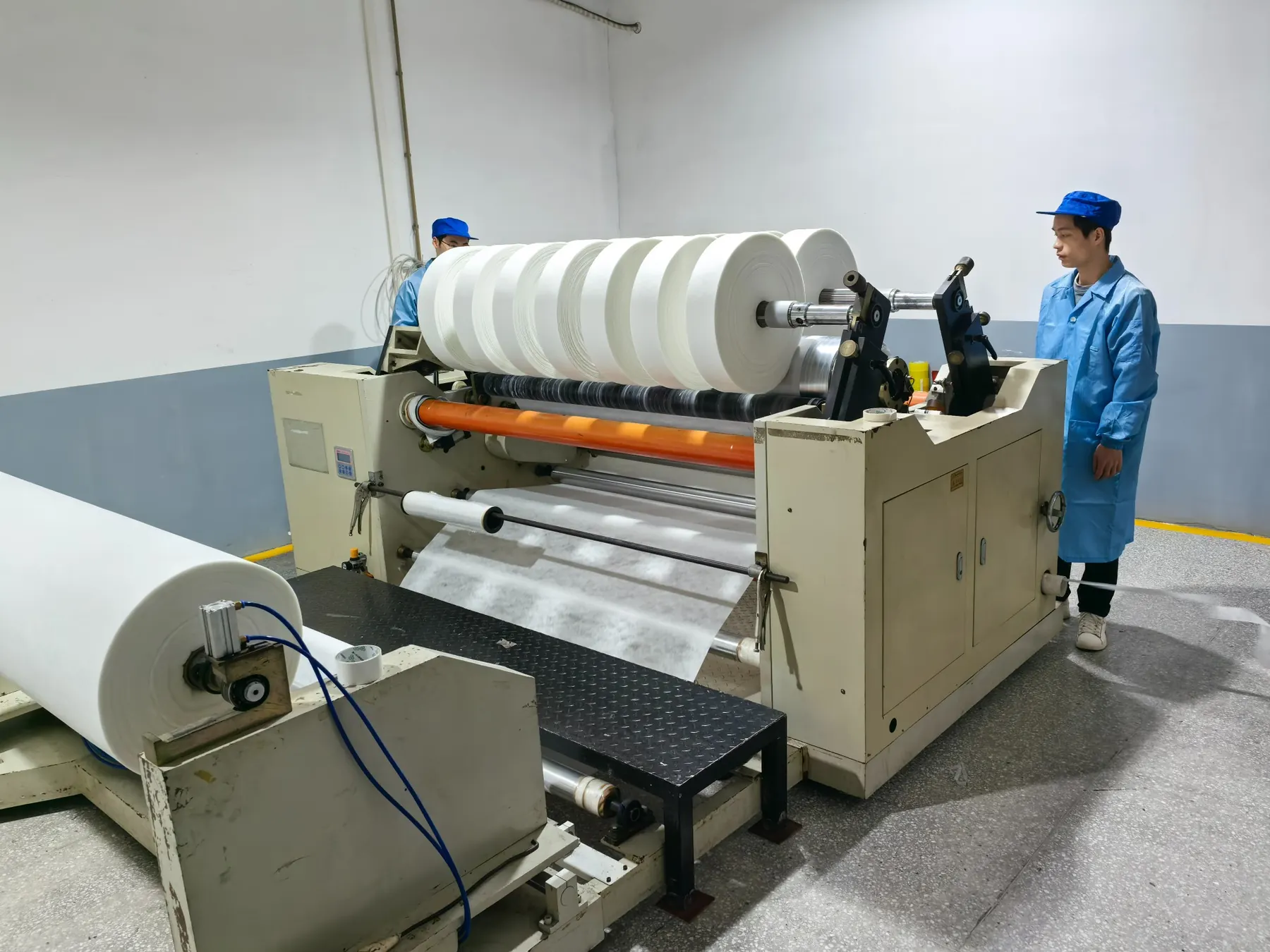
Snus paper width is one of the first parameters a pouch manufacturer should confirm before requesting sample rolls. For SnusPaper.com, the common confirmed slit width range is 29-33 mm, mainly 31/32 mm. This range is common for many oral pouch formats, but the correct width still depends on pouch size and machine structure.
A buyer should not assume that a width used on one machine will automatically fit another machine. Forming parts, sealing jaw width, pouch folding method, web tracking and cutting position can affect the required slit width. If the material is too narrow, sealing and pouch shape may be unstable. If it is too wide, the buyer may face waste, wrinkles or poor running behavior.
Width should be checked together with GSM and roll format. A typical confirmed range is 25-35 gsm, 700-800 m roll length and 76 mm core ID. These parameters help the buyer evaluate machine loading, roll change frequency and sample testing quantity.
For the first inquiry, buyers should send target pouch size, current roll width, current material article if available, machine model, sealing method and expected testing quantity. This allows the supplier to recommend a realistic sample width rather than sending a random roll.
Custom slit-roll support is useful for OEM pouch production because buyers may need different widths for nicotine pouches, caffeine pouches, herbal pouches or other functional powder pouches. Final width should be confirmed by machine trial and pouch appearance review before repeat bulk supply.
Buyer takeaway
For B2B sourcing, the correct pouch nonwoven grade should be selected through machine-matched sample testing, not by keyword or price alone. Share the machine model, sealing method, width, GSM and target testing quantity before confirming repeat supply.
Yes. Sample rolls are recommended before bulk confirmation.
Review product grades, technical data and machine matching.