
Heat-Sealable Pouch Nonwoven Fabric: What Buyers Should Check
Understand heat-sealable pouch nonwoven fabric, sealing behavior, machine parameters, sample testing and document support for B2B pouch production.
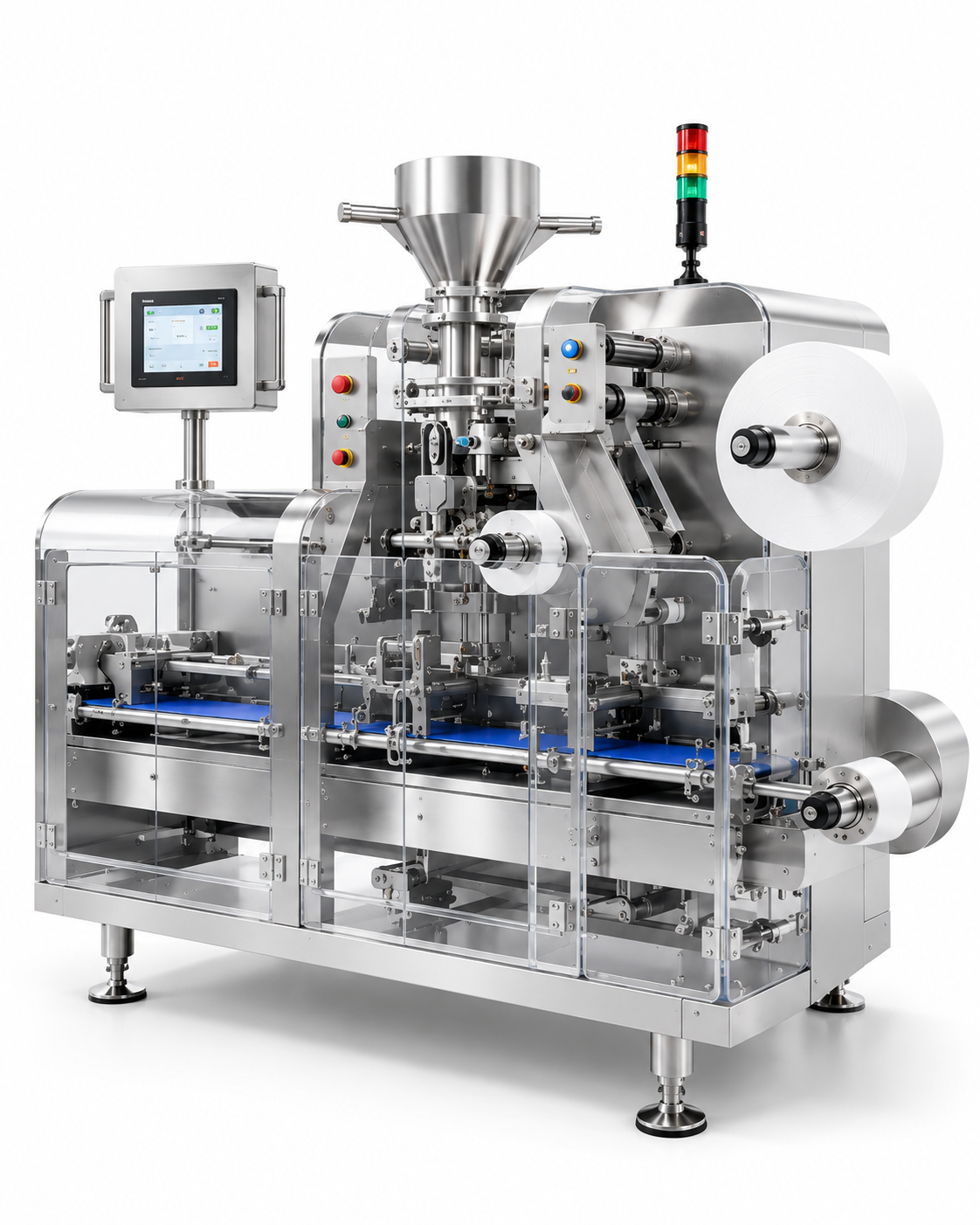
Heat-sealable pouch nonwoven fabric is a substrate direction used in pouch-making systems where edge bonding is created by heat, pressure and dwell time. For oral pouch manufacturing, sealing behavior is one of the most important evaluation points because weak sealing can cause pouch leakage, poor edge appearance or unstable production.
Buyers should treat heat sealing as a system result, not only a material property. Machine jaw design, line speed, sealing temperature, jaw pressure, dwell time, pouch size, powder moisture and powder flow all affect the result. A supplier can recommend a grade direction, but sample testing is still required before bulk confirmation.
HM-A, HM-01 and HM-XY are used as different starting directions. HM-A is a broad compatibility grade for low-to-medium speed production trials. HM-01 is designed for intermittent heat-impact or flat-jaw sealing conditions. HM-XY is developed as a high-speed fine-fiber direction when cleaner pouch appearance and lower fiber shedding direction are important.
A practical heat-sealing inquiry should include roll width, GSM, roll length, core ID, machine model, pouch size, sealing method and expected testing quantity. If the buyer already uses a material, the current article or specification can help the supplier compare grade direction.
For qualification, buyers may request COA, TDS and MSDS support. Food-contact, REACH, RoHS, ISO or other compliance files should be confirmed before customer-facing use. Avoid assuming that one document or one sealing temperature applies to all projects.
Buyer takeaway
For B2B sourcing, the correct pouch nonwoven grade should be selected through machine-matched sample testing, not by keyword or price alone. Share the machine model, sealing method, width, GSM and target testing quantity before confirming repeat supply.
Yes. Sample rolls are recommended before bulk confirmation.
Review product grades, technical data and machine matching.